Tap water and supply
Where your water comes from and who sends it. 12 items.

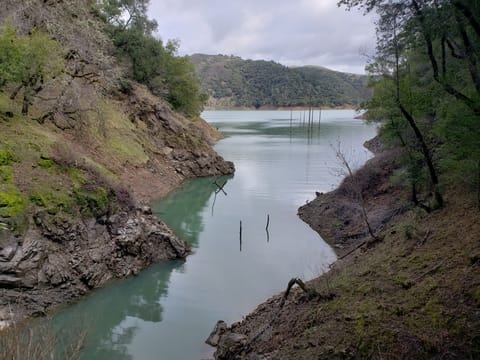 Where Sonoma County tap water comes from, and who gets itTurn on a tap in Santa Rosa or Petaluma and the water very likely came from the Russian River. Wells beside the river pull it from the gravel below. It gets chlorine and a pH boost, then travels by pipe to your city. In summer, that river water is winter rain released from Lake Mendocino and Lake Sonoma. On a private well? This page is not about your water.Updated Oct 18, 2026
 Is your Sonoma County water safe to drink? City, well, tank, creek and rainCity water is disinfected with chlorine, and Sonoma Water and Santa Rosa say they add no fluoride. Wells, tanks, creeks and rain have no one testing them for you. Look up your supplier, then find your source below.Updated Oct 11, 2026
 Water filters: what to buy for city, well and rural waterThe right filter depends on where your water comes from. For city water, a certified carbon filter takes out chlorine. For a well, test first, then match the filter. For a creek, spring, tank or rain, add a sediment filter and UV to kill germs. Below are our picks for each, what they cost to run, and how to keep them working.Updated Oct 18, 2026
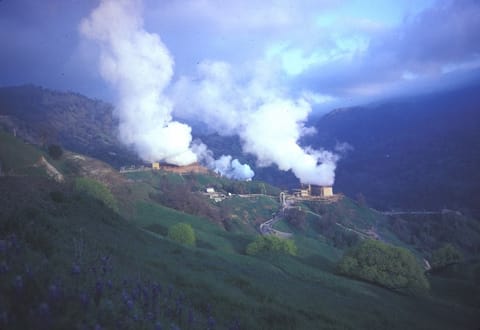 Where does wastewater go after treatment? In Sonoma County, mostly up a mountainMost of it is reused, not released. By our math from state reports, the Santa Rosa area plant recycled 90% of the cleaned water it sent out in 2025, most of it to make power at The Geysers. Other plants water farms, vineyards and parks, and some release treated water to creeks and rivers, mostly in the wet months. Find your town in the table below.Updated Nov 10, 2026
 How to read a water quality report: three checks for every rowGo row by row through the main table and make three checks. The violation column should say no. The amount should be under the legal limit (MCL). Then see how far it sits above the health goal (PHG). Legal and ideal are different numbers: in Petaluma's 2025 report, arsenic met the law yet was about 770 times California's health goal.Updated Nov 9, 2026
 Water quality after a wildfire: is your tap water safe? What Santa Rosa learned about benzeneNot always. A wildfire can poison tap water inside the pipes, even when the river or lake is clean: melted plastic and lost pressure let chemicals such as benzene into the water. If burned homes are near you or your water lost pressure, use bottled water and do not boil tap water until a lab test or your utility says it is clear.Updated Nov 14, 2026
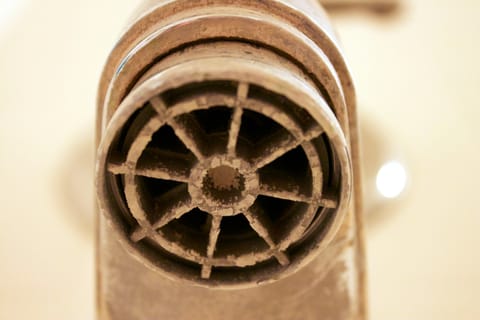 Do you need a water softener? How hard your water is, and when salt is worth itProbably not. Hard water carries calcium and magnesium. It is not a health risk, but it leaves spots and a crust called scale. Look up your hardness in grains per gallon. Our take: under 7, skip the softener. Above that, only if scale is a real problem, and try a salt-free unit first. Most Sonoma County city water is about 6.4 grains.Updated Nov 6, 2026
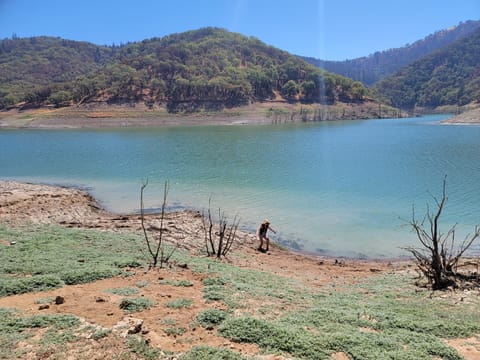 Lake Sonoma water level going into winter: why it's so full, and what happens nextLake Sonoma is about 92% full going into winter (on November 3, 2026), after its fullest end of summer since at least 1991. Lake Mendocino is about 68% full, low enough to put the Russian River on Dry status. An ordinary winter would likely fill both.Updated Nov 4, 2026
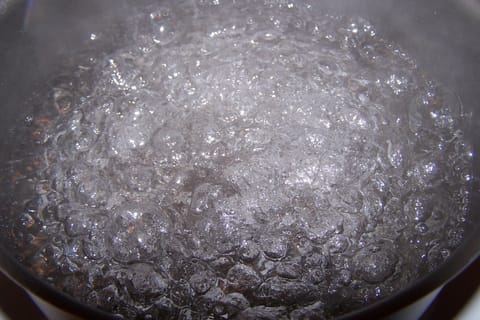 What does a boil water notice mean? What you can still do, and how long it lastsA boil water notice means germs could be in your tap water. Until it ends, use bottled water or tap water boiled for 1 minute for drinking, cooking, ice, brushing teeth and baby formula. Showering without swallowing, laundry and a dishwasher with a sanitize cycle are fine. A notice can't end until tests come back clean, which takes days.Posted Nov 16, 2026
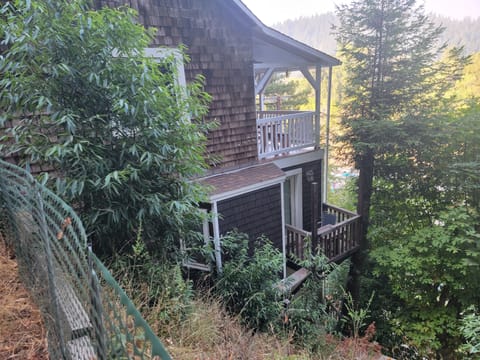 Low water pressure in your house? How to find the cause, from the faucet to the streetLow water pressure in a house usually starts in your own plumbing, not the street. If one faucet is weak, clean its screen. If every faucet is weak, put a pressure gauge on an outdoor faucet. Much lower than 45 psi (pounds per square inch), work back along the pipe: old pipes, softener or filter, pressure regulator, main valve, leaks. Still low? Call your water provider, or a well contractor if you're on a well.Posted Nov 20, 2026
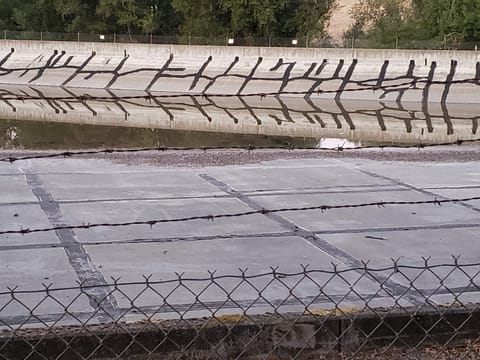 How is drinking water treated? The steps from river to tapWater from a river or lake usually goes through five steps. Chemicals make the dirt clump together, slow mixing grows the clumps, and they sink. Filters of sand, gravel or charcoal catch the rest, and chlorine or another disinfectant kills leftover germs. Well water usually needs fewer steps, because the ground has already filtered it. Your water company's yearly report names your source, and often your treatment.Posted Nov 22, 2026