Rivers and pollution
The Russian River, creeks and what runs into them. 17 items.

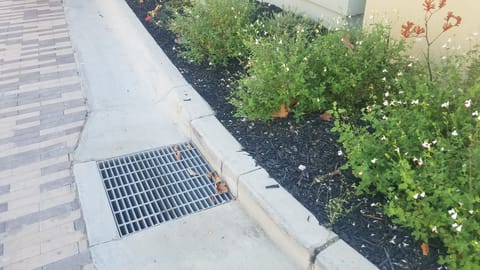 Where do storm drains go? Straight to the creek, with no treatmentStorm drains carry rain from the street to the nearest creek, river or bay, with no treatment on the way. Anything else that goes down them, from soapy water to oil to leaves, ends up in that water too.Updated Nov 23, 2026
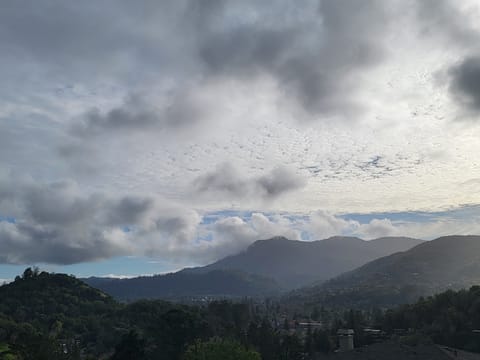 El Niño and Sonoma County water: the river, the reservoirs and your rainNOAA says a strong to very strong El Niño is likely this winter, which tilts California toward a wet one. On the Russian River, strong El Niño winters brought a major flood at Guerneville in 3 of 9 cases since 1951, about twice the usual rate, but the worst floods came in other winters. Get ready for high water and plan to keep some of the rain.Updated Nov 13, 2026
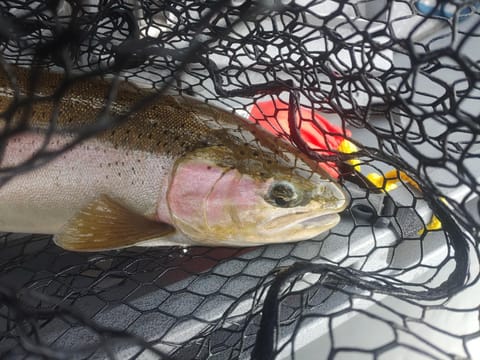 Mud in the creek: how fine sediment can hurt salmon eggs, and what Sonoma County landowners can doFine sediment can fill the gravel where salmon bury their eggs and smother them. The mechanism comes from state and Washington research. In the Russian River's four coho focus creeks, NOAA lists low flow as a top limit in all four and sediment as an egg-stage limit in Willow Creek. What to do: check where your driveway or ranch road drains, and call Sonoma RCD at 707-569-1448.Updated Oct 18, 2026
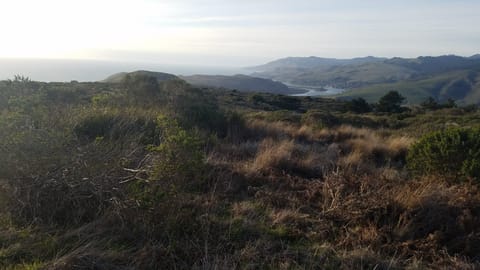 Coming home to your watershed: a Sonoma County guideYou live in a watershed before you live in a town. The ridges around you decide where your rain goes: which creek, which river, which stretch of sea. Pomo and Coast Miwok people knew these waters by name long before the county lines were drawn. Find yours on the map below, and follow your rain to the ocean.Updated Nov 20, 2026
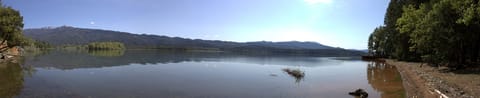 Will Lake Pillsbury be drained? Scott Dam removal and what it means for Sonoma County's waterIf federal regulators approve PG&E's plan, yes. PG&E wants to remove two dams on the Eel River: Scott Dam, which holds Lake Pillsbury, and Cape Horn Dam downstream. Nothing is decided yet, and removal could start in 2028 at the earliest. A planned pump station would keep sending some Eel water to the Russian River in the wet months.Updated Nov 8, 2026
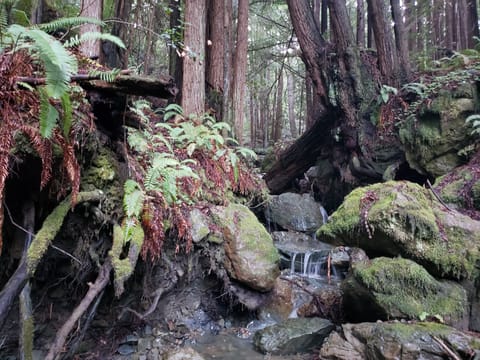 Watershed finder: what watershed am I in?Type an address or tap the map. We show your watershed, your closest named creek, the groundwater basin under you, and every stop your rain makes on its way to the sea.Updated Oct 19, 2026
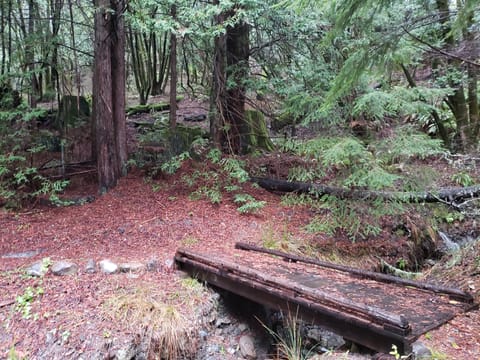 Getting involved in your watershed: where to start in Sonoma CountyStart with one drop-in volunteer day near home, then go back a second time. Type your address in our watershed finder below for the groups and the next event in your watershed.Updated Oct 19, 2026
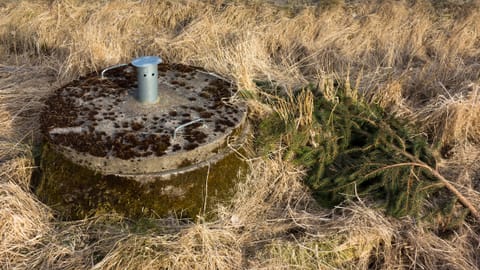 How often should you pump a septic tank? A Sonoma County guideMost household septic tanks are pumped every 3 to 5 years and inspected at least every 3. Your number depends on the tank and the people: a family of four on a 1,000 gallon tank, the county minimum for 3 bedrooms, is due about every 2.6 years. Find yours with the calculator below.Updated Nov 3, 2026
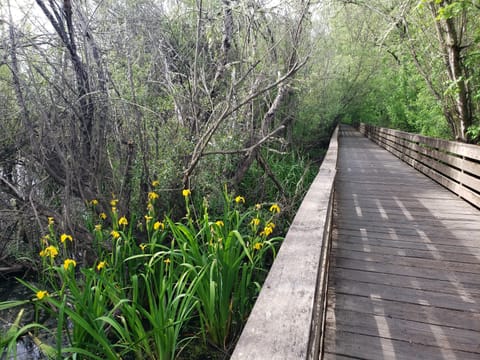 Septic rules near the Russian River: what Sonoma County owners need to knowA working septic system you are not changing does not have to be upgraded today. Near the Russian River, stricter rules apply when you build, repair or replace a system, or add a bedroom. A state plan that adds septic inspections across the watershed is approved but not yet in effect.Posted Nov 3, 2026
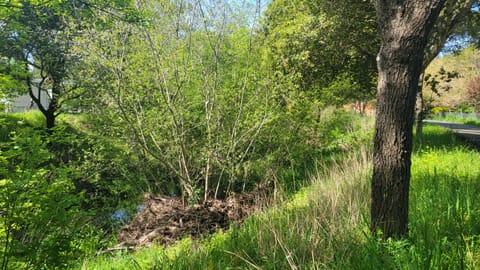 Creek bank erosion: how Sonoma County creekside owners can heal a bank with willows, plants and woodMost creek banks heal best with living materials. Keep the native plants, pull invasive ones, and put willow to work: cuttings pushed into the bank, bundles called wattles, or woven willow walls, built in October or early November before the biggest storms. Leave logs in the water. Anything that moves soil or rock in the creek needs permits first.Posted Oct 26, 2026
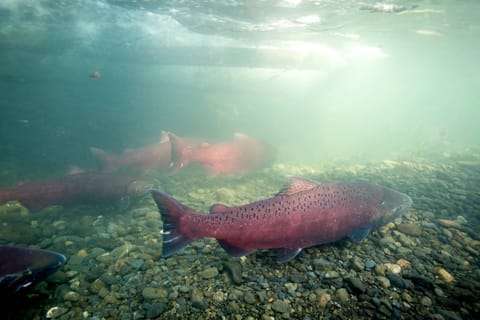 Salmon run in Sonoma County: when and where to see salmon spawn this winterLook for spawning salmon from late November through February, one to three days after a good storm. Chinook salmon come first, in the main Russian River and Dry Creek. Coho salmon follow in small creeks of the lower river. Steelhead trout run into spring, and the hatchery at Lake Sonoma is the surest place to see them up close.Updated Nov 2, 2026
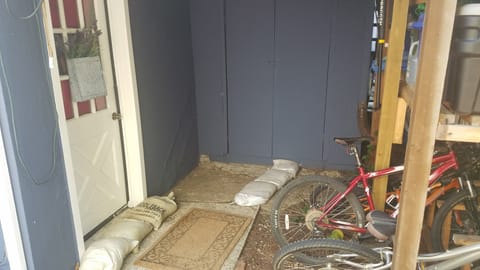 Russian River flood stage: what 32 feet means at Guerneville, and what floods at each levelOn February 27, 2019, the Russian River at Guerneville rose past 45 feet and cut the town off. Flood stage on that gauge is 32 feet. 35 feet is a moderate flood and 40 feet a major one. Here is what floods at each level, and what to do before the water reaches your road.Posted Nov 2, 2026
 How much water does it take to make a glass of wine? What Sonoma County vineyards cost our creeksAbout 30 gallons, by a widely used global estimate, and most of it is rain. The part that hurts Sonoma County creeks is smaller: water pumped at the wrong time, and what washes off the rows.Updated Nov 13, 2026
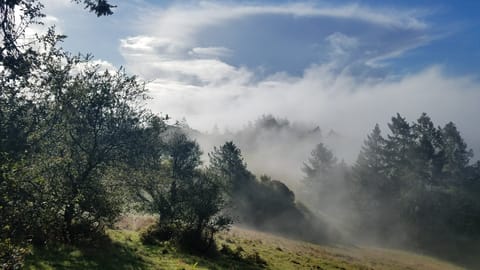 The water that moves us: how life moves water, and how we forgot we do tooWater is always moving, and life is part of the movement. Forests help make rain, redwoods pull water from fog, beavers hold it and salmon carry the sea uphill. We move water too, often against the rhythm everything else depends on. This is what we believe, and how people here are learning to move water the way the rest of life does.Posted Nov 5, 2026
 Can you pour grease down the drain? What happens, and what to do with it insteadNo. Grease is runny when it's hot, but it cools and sticks inside pipes, and over time it builds into clogs that can back sewage up into homes or spill it outside. Let it cool, wipe small amounts into the trash or compost, pour a pan's worth into a can with a lid for the trash, and take a fryer's worth to a cooking oil drop-off.Posted Nov 19, 2026
 What not to put in a garbage disposal, and where your scraps should go insteadNever put grease, bones and fruit pits, stringy vegetables like celery, pasta and rice, piles of peels, or anything that isn't food in a garbage disposal. Coffee grounds and eggshells are disputed: one disposal maker says they don't harm the disposal if added slowly, many sewer utilities say no. With a septic tank, use the disposal as little as you can. Most scraps do more good in compost.Posted Nov 23, 2026