Stormwater and drainage
Where rain goes when it leaves your roof and yard, and what the county requires. 16 items.
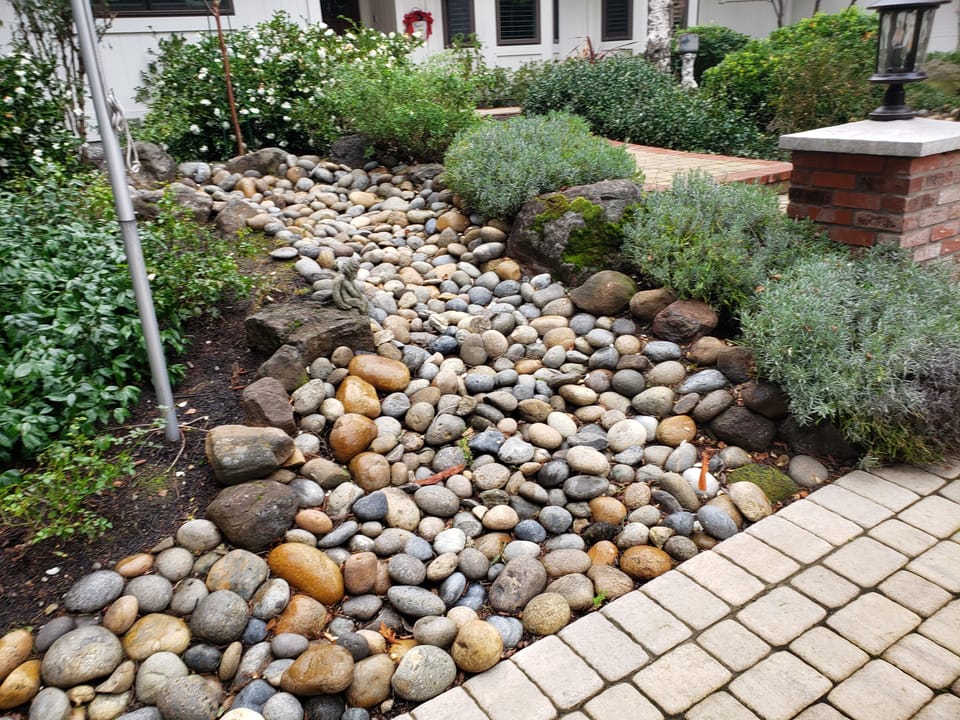
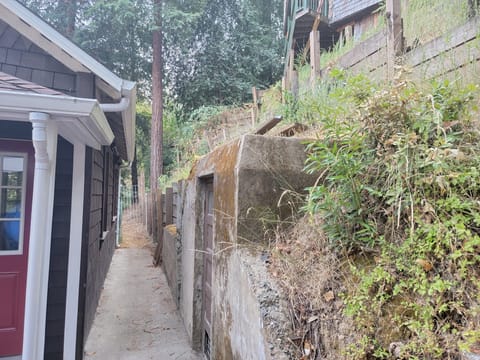 Sonoma County grading and drainage permits: when your yard project needs oneOutside city limits, Sonoma County needs a grading permit to dig out or fill in more than 50 cubic yards of soil, to go more than 3 feet deep, and for some smaller jobs on slopes or in flood zones. Building or changing a drain or ditch needs a drainage permit, except for repairs, some small pipes and ditches, and a few other cases.Updated Nov 21, 2026
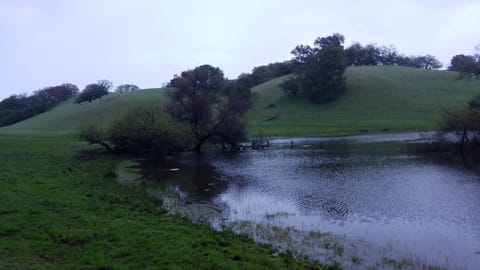 Sink it or shed it? When to keep rain on your land and when to drain itMost properties need both. Sink clean water where the soil can take it and nothing will be harmed. Shed water, slowly and safely, where soaking it in would threaten a foundation, a slope, a septic system or a neighbor. The craft is deciding which water goes where.Updated Oct 18, 2026
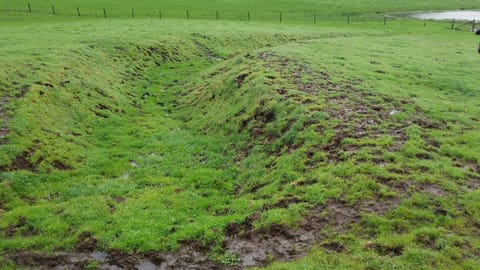 Swales: what they do, how to build one, and when not toA swale is a shallow ditch that slows rainwater. Dug level across a slope, it holds water so it soaks in. Built with a gentle fall, it carries water away slowly. Both work only in the right place, and both need a planned overflow. Start by watching your slope in the next storm.Updated Oct 18, 2026
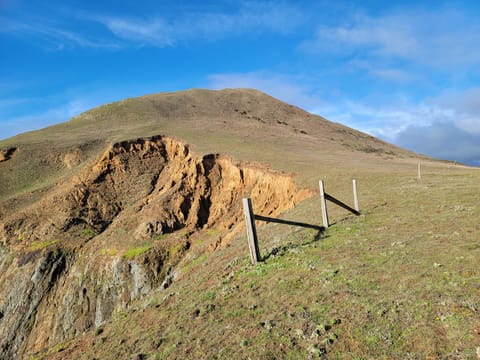 How to stop erosion on a slope before the rains: straw, wattles and rootsMeasure how steep your slope is. Then, before the rains, cover bare soil with about 2 inches of straw or chunky wood chips. On steeper slopes, add wattles, tubes of straw laid level across the slope. Slow the water at every downspout, then plant deep roots. Over a 50% slope, call a professional. If the ground starts to move, get out.Updated Nov 11, 2026
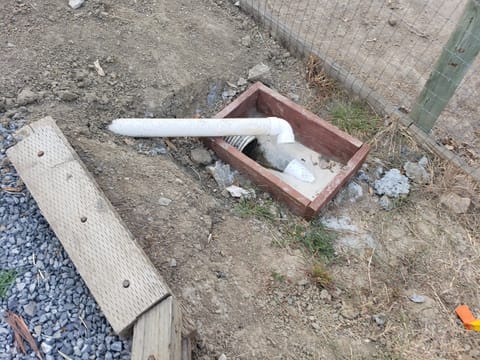 Do you need a French drain? How to tell, what to try first, and where the water goesUsually not, or not first. A French drain is a gravel trench with a perforated pipe that carries water out of soggy soil to a safe outlet. It suits ground that stays wet after the rain stops. Water running off a roof or across the ground has cheaper fixes: gutters, downspout extensions, sloping the ground away from the house, or a shallow planted ditch called a swale. Start with the roof water.Updated Nov 7, 2026
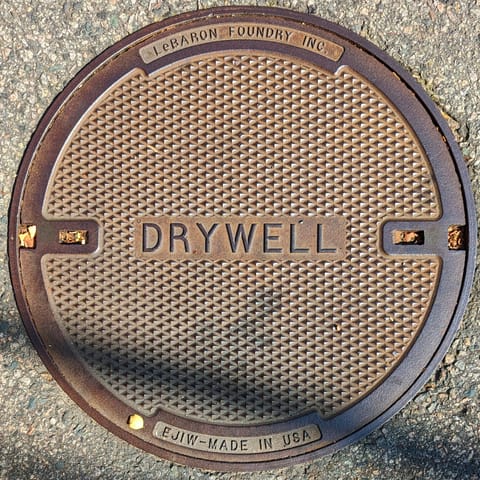 What is a dry well and how does it work? When it will drain, and what to build if it won'tA dry well is a buried pit, filled with gravel or holding a tank with holes, that takes water from a downspout and soaks it into the soil. It only works where the soil drains it within about 3 days, so test yours first. In clay, build a rain garden instead. Send it roof water only, and check local permits.Updated Nov 25, 2026
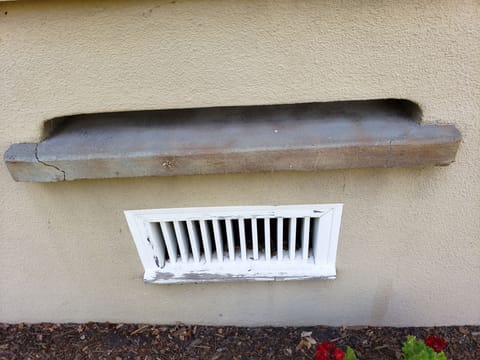 Water in the crawl space after heavy rain: is it normal, and what should you do?You lift the hatch after a storm and see a puddle, or a shine on the dirt under the house. Water in the crawl space after heavy rain is a warning, not an emergency. Often it is roof water or a yard that slopes toward the house, and the first fixes are outside: move the downspout water and fix the slope.Posted Nov 4, 2026
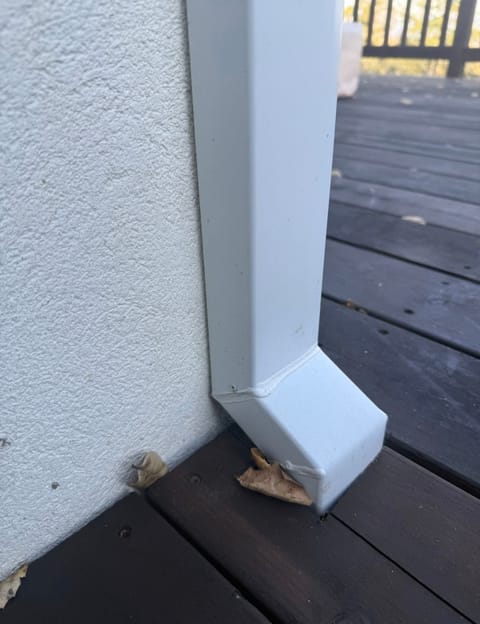 How far should downspouts be from the house? At least 5 feet in Sonoma County clayAt least 5 feet from the foundation, and 10 feet if your yard has room. Five feet is what California's building code asks for on clay that swells when wet, found in many of Sonoma County's valleys. Send the water to planted ground that slopes away from the house, not to the sewer, a steep slope or the neighbors.Posted Nov 5, 2026
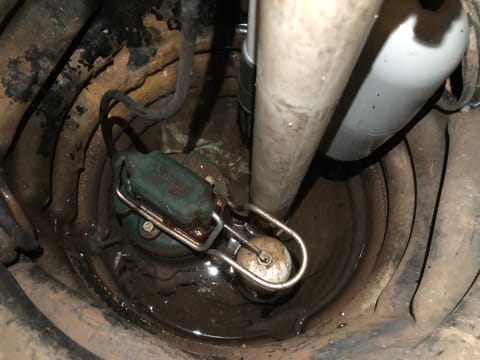 How does a sump pump work? And do you need one?A sump pump sits in a pit at the lowest point of a basement or crawl space. Groundwater drains into the pit, a float turns the pump on as the water rises, and the pump pushes the water outside through a pipe. You may need one if water collects under your house in wet weather and the ground is too flat to drain it away. Where the water may go depends on where you live.Posted Nov 13, 2026
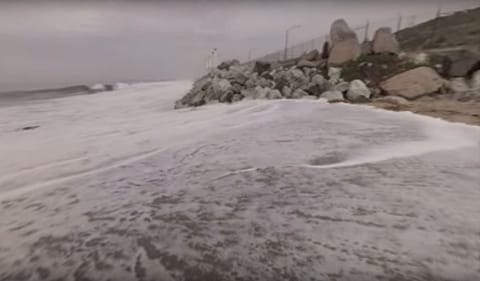 What is a king tide? What causes it, and how to find yoursKing tides are the highest high tides of the year at a place, when water reaches farther up the shore than on any ordinary day. They usually come when a new or full moon lines up with the moon's closest pass to Earth. They are predictable, and a storm at the same time can make the flooding much worse.Posted Nov 15, 2026
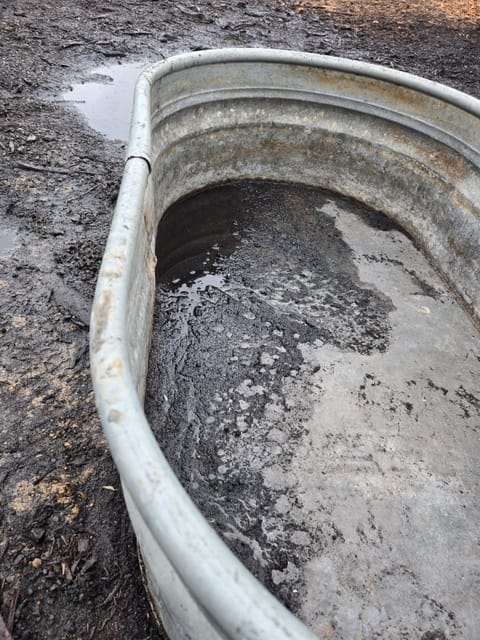 Standing water in your yard after rain: is it normal, and how do you fix it?Puddles that soak in within a day or two after a big storm are normal. A good rule of thumb: water still standing on day 3 points to a drainage problem, and water that sits for days can breed mosquitoes. The usual causes are a downspout aimed at a low spot, packed soil or clay. Fix the cheap things first: move the roof water, fill the dip, loosen the soil. Water that stands when it hasn't rained can mean a leak or a failing septic system.Posted Nov 17, 2026
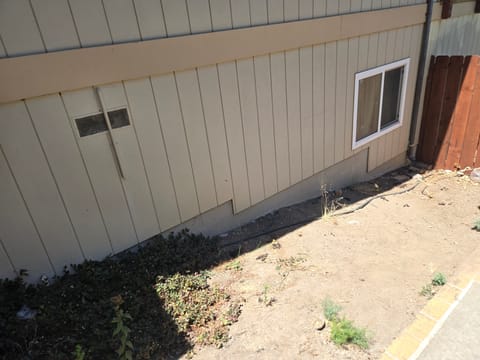 Hydrophobic soil: why dry ground won't soak up rain, and how to fix itHydrophobic soil repels water instead of soaking it up. Waxy coatings from plants and fungi cover the soil grains, and the problem is worst when soil is very dry, sandy or full of organic matter (bits of dead plants), like potting mix. Test it: if a drop of water takes more than 5 seconds to sink in, the soil is water-repellent. Fix it by wetting it slowly: soak pots from below, sprinkle beds lightly and repeat, and keep soil from drying out. A hot wildfire can leave a stronger water-repellent layer half an inch to 3 inches below the surface, which sends rain racing downhill.Posted Nov 18, 2026
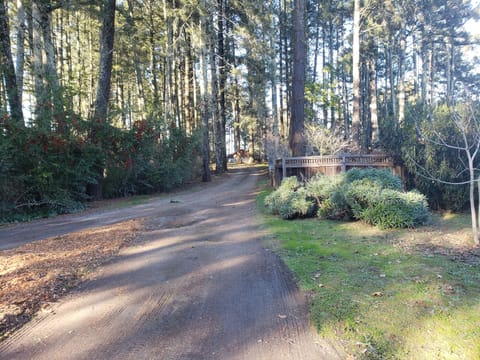 How to keep water out of your garage: find where it gets in, then fix thatFind where the water gets in, then fix that spot. Most garage water comes down a driveway that slopes toward the door, off a downspout that ends beside it, or through worn door seals. Move the downspouts at least 5 feet out, replace a cracked bottom seal, and add a threshold strip for a thin sheet of water. If the driveway slopes to the garage, a trench drain across it can send the water to a planted spot. For a real flood, use sandbags or barriers and lift valuables off the floor.Posted Nov 21, 2026
 How to find a roof leak: start at the stain, then follow the water uphillStart in the attic, above the stain, and follow the water trail uphill. Water that gets through a roof runs along the roof boards before it drips, so the hole is usually higher up and sometimes off to one side. Most leaks come in at openings: plumbing vent pipes, roof vents, chimneys, skylights, and the metal flashing where a wall meets the roof. If you can't find it, have a helper watch the attic while you run a hose on the roof, low spots first, working uphill.Posted Nov 23, 2026
 Gutters overflowing in heavy rain? When it's normal, and how to fix itA brief spill in the hardest minutes of a big storm is normal. Gutters are often built for the hardest few minutes of rain a place gets about once in 10 years. If yours overflow in ordinary heavy rain, or always in the same spot, something is wrong. The usual causes are a clog where the gutter drops into the downspout, too few downspouts, a gutter that sags or runs flat, or an inside roof corner, where two slopes meet, that dumps too much water in one place.Posted Nov 24, 2026