Rain and storage
How much falls, what you can catch, and what the law says. 13 items.

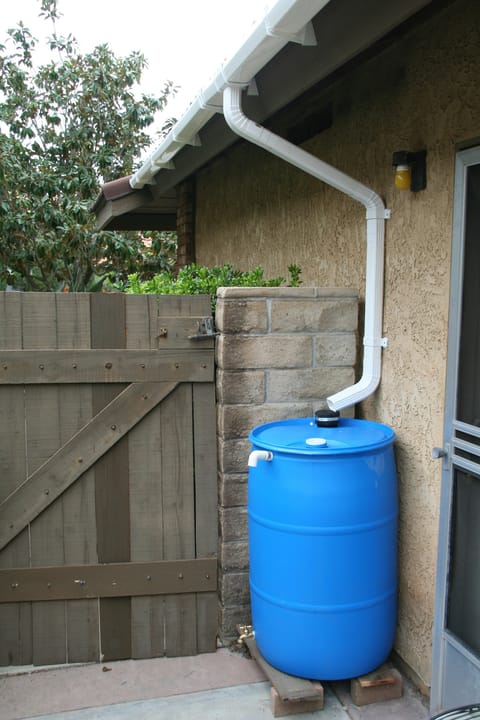 Are rain barrels legal in California? Yes. Here is when you need a permitYes. State law says you do not need a water right to use rainwater from your roof. Under the state plumbing code, a barrel or tank up to 5,000 gallons for drip or hose watering needs no permit if it sits on the ground, is no taller than twice its width, has no pump and is not hooked to tap water.Updated Nov 4, 2026
 How much rain Sonoma County gets, town by town and month by monthSanta Rosa gets about 30 to 34 inches in an average year, depending on the gauge and the years counted. Petaluma gets about 26 and Healdsburg about 43. Most of it falls from November to March.Updated Oct 18, 2026
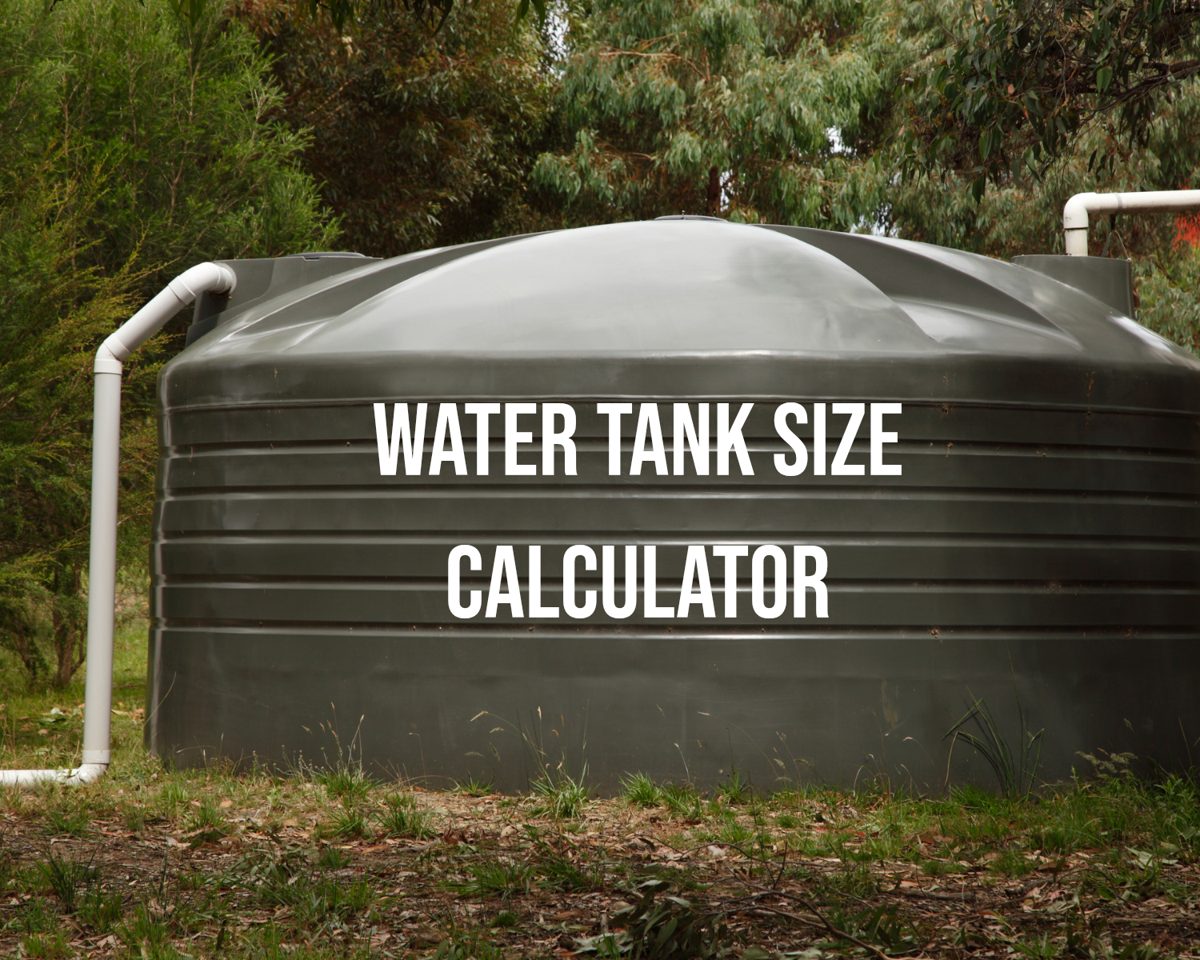 Water storage tank size calculatorAnswer a few questions about your household, animals and garden. The calculator works out your daily use, then the tank size for the days you want to cover, and whether one tank or several fits.Updated Oct 18, 2026
 How big a water storage tank do you need?Multiply what you use in a day by the days you want to cover, then add any fire reserve. A family of four using about 43 gallons each indoors needs about 1,200 gallons for a week. Try your own numbers in the calculator.Updated Oct 18, 2026
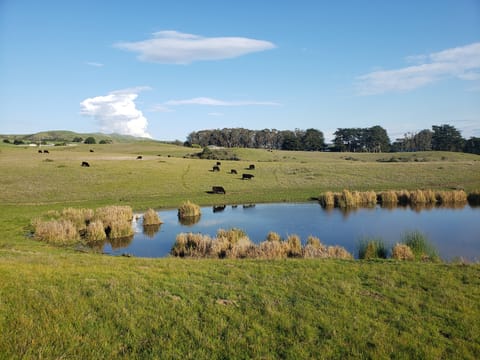 Ponds in Sonoma County: permits, water rights, wildlife and swimming pondsOften, yes. In unincorporated Sonoma County, digging more than 50 cubic yards, or more than 3 feet deep, needs a grading permit. A pond that takes water from a creek or stream usually needs a state water right, and work in a creek bed needs notice to Fish and Wildlife first. From April to October, open water in Santa Rosa loses about 2.7 feet more to evaporation than rain puts back.Updated Oct 18, 2026
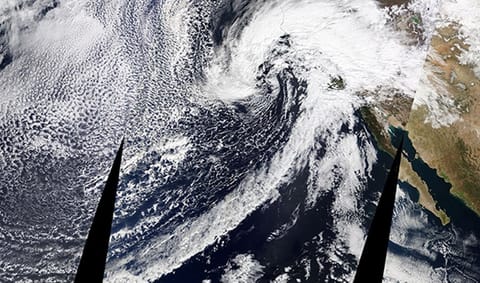 What is an atmospheric river? Sonoma County's biggest storms, rated 1 to 5An atmospheric river is a long, narrow stream of water vapor in the sky that carries Pacific moisture to our coast. When one stalls over Sonoma County's hills, it can rain hard for a day or more. Forecasters rate them 1 (mostly helpful) to 5 (mostly harmful). They fill our reservoirs, and they cause nearly all of the county's flood damage.Posted Nov 3, 2026
 How to store water for an emergencyStore 1 gallon of water per person per day, for at least 3 days and up to two weeks. Buy sealed bottled water or fill clean food-grade containers from the tap, date them, keep them cool and dark, and replace water you bottle yourself every six months.Posted Nov 9, 2026
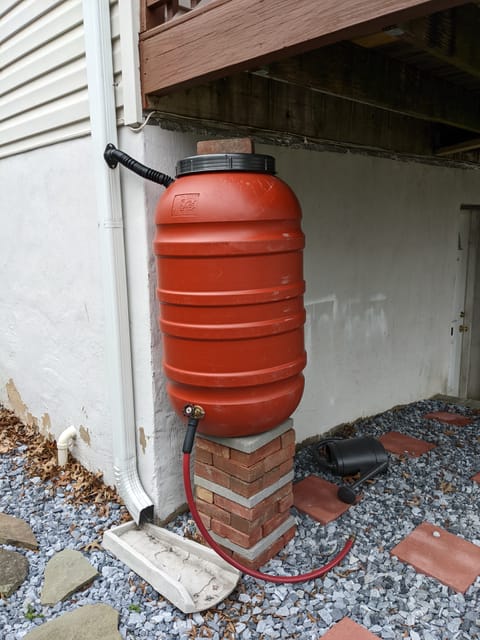 What to do with a rain barrel in winter: drain it or keep it catching?It depends on your winter. Where hard freezes last for days, drain the barrel before the first one, leave the spigot open, disconnect it and store it indoors or upside down. Where winter is the rainy season and freezes are brief, keep it hooked up: clean it, check the screens and send the overflow away from the house.Posted Nov 10, 2026
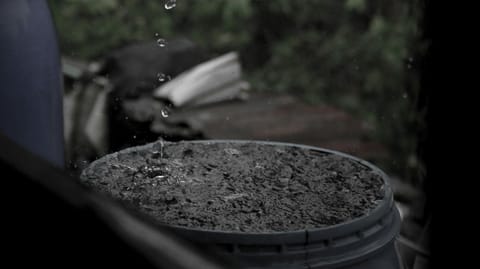 Can you drink rainwater? What's in it, and what it takes to drink itNot without treatment. Rain picks up dust and chemicals in the air, then bird droppings, germs and metals from your roof and barrel. Boiling kills the germs but doesn't remove chemicals. Drink tap or bottled water, give rainwater to flowers and trees, and in an emergency boil or disinfect it first.Posted Nov 11, 2026
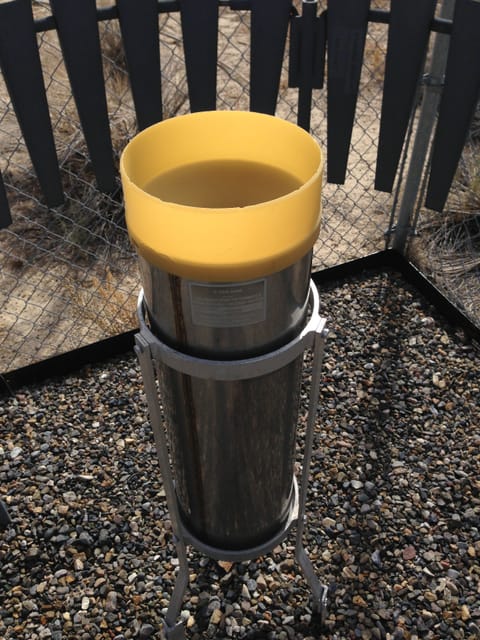 How much rain is a lot? What an inch means in an hour, and in a dayMore than three tenths of an inch an hour is heavy rain anywhere. On a 1,000 square foot roof, that is about 190 gallons an hour. For a whole day, it depends on where you live. A big day, the kind that comes about once every 2 years, is about 1.5 inches in Phoenix, 2.6 in Columbus, Ohio, and more than 5 in Miami.Posted Nov 14, 2026
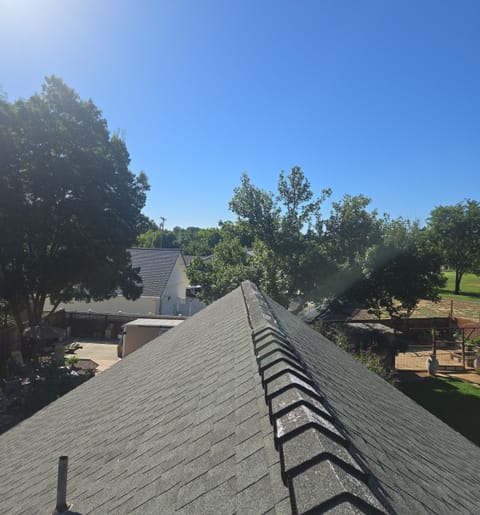 What is a first flush diverter? How it works, and what size you needA first flush diverter is a short pipe under a downspout. It catches the first, dirtiest rain off your roof and keeps it out of your rain tank. When the pipe is full, a floating ball seals it and cleaner water flows on to the tank. Size it at 1 gallon per 100 square feet of roof for garden water, and 2 gallons for drinking water, which also needs filtering and disinfection.Posted Nov 18, 2026
 How to collect rainwater at home: from gutter to barrel, and what to use it forSet a dark, lidded barrel under one downspout, screen every opening, and run an overflow hose to a planted bed. Use the water on plants you don't eat. A downspout that drains 250 square feet of roof sheds about 155 gallons in an inch of rain, almost three barrels, so plan where the extra goes. Most US states allow it, but rules differ by state and city; Colorado, for one, sets limits.Posted Nov 21, 2026