
Rain and storageGuide
How much rain is a lot? What an inch means in an hour, and in a day
More than three tenths of an inch an hour is heavy rain anywhere. On a 1,000 square foot roof, that is about 190 gallons an hour. For a whole day, it depends on where you live. A big day, the kind that comes about once every 2 years, is about 1.5 inches in Phoenix, 2.6 in Columbus, Ohio, and more than 5 in Miami.
Listen to this article
Read aloud by an AI voice.
The forecast says 2 inches of rain tomorrow. Is that a soggy afternoon, or water in the street?
Two things decide it. How fast the rain falls, and what your place is used to.
How much rain is a lot in an hour?
Weather observers sort rain by how fast it falls:
- Light: up to a tenth of an inch an hour.[1] Think wet pavement and dripping gutters.
- Moderate: a tenth to three tenths of an inch an hour.[1] Gutters run steadily.
- Heavy: more than three tenths of an inch an hour.[1] Gutters overflow and yards run.
Three tenths sounds small. On a 1,000 square foot roof, it is about 190 gallons an hour, more than three big 55 gallon barrels.[2]
The hour matters because of the ground. Once soil is soaked, it can only take water in so fast. Sandy soils can take in more than three tenths of an inch an hour. Heavy clay soils take in less than a twentieth of an inch an hour.[3]
So heavy rain outruns most soaked soil. On clay, even steady light rain can start to puddle after a while. Whatever the ground can't take runs off, toward the low spots, the foundation or the street.
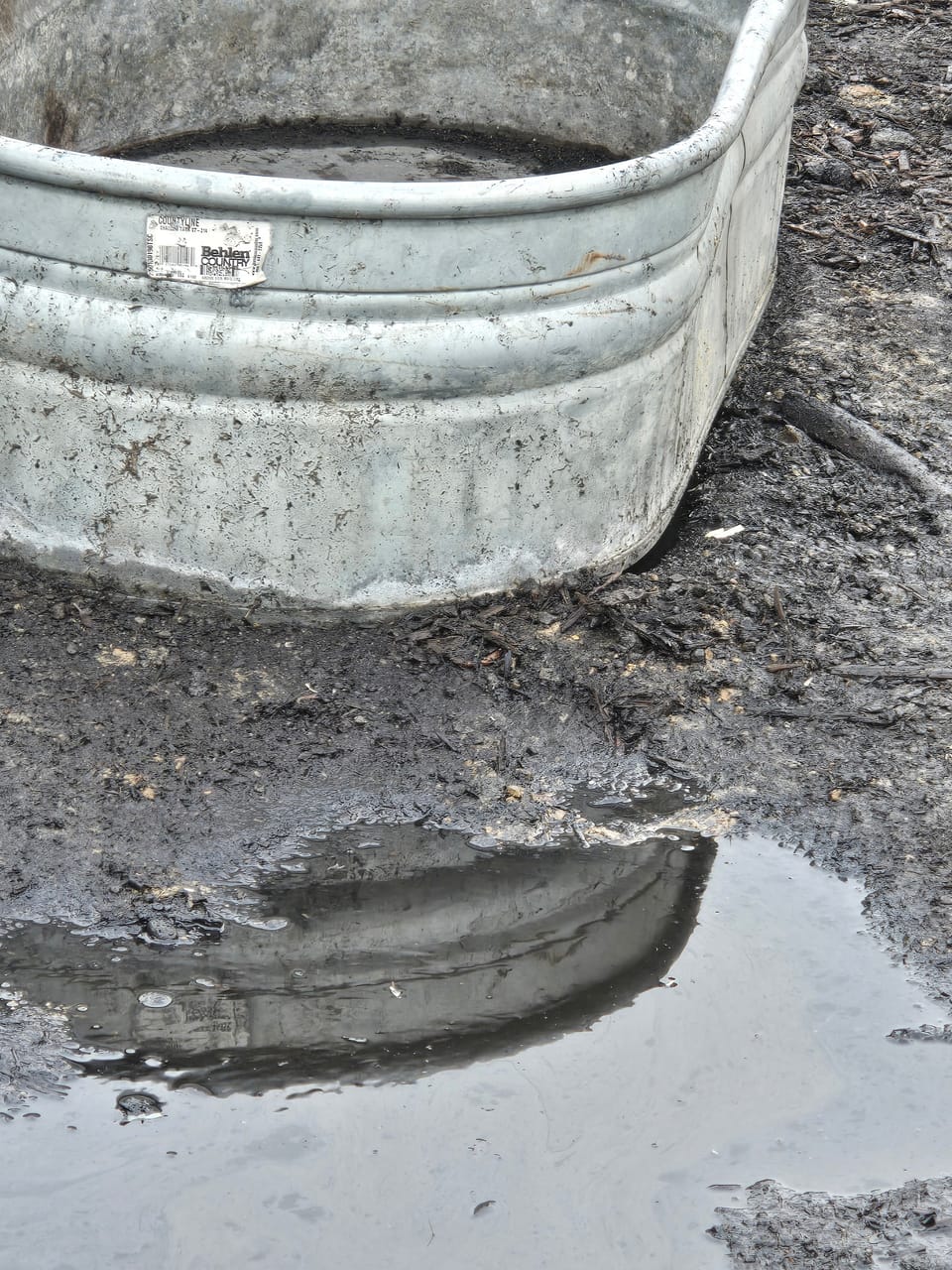
Is 1 inch of rain a lot?
It's a good soaking, but not rare. An inch on a 1,000 square foot roof is about 623 gallons.[2]
Even in Phoenix, in the desert, a day with more than an inch comes about once a year.[4]
So what is a big day? The chart shows how much rain falls in one day about once every 2 years, on average, in nine places. Look at how far apart the bars are.
Streets, drains and creeks are built for their own place, so the same 2 inches can be routine in one town and a flood in another. Back to that forecast: 2 inches would be a big day in Phoenix or Denver, and a fairly normal one in Houston or Miami.
To find your own number, open NOAA's rainfall frequency map. If your state is on it, click your spot and read the 24-hour row under 2 years.[4]
How do forecasters decide it's too much?
They compare the forecast with flash flood guidance. That is the rain in 1, 3 or 6 hours that would fill local streams to the top of their banks. Past that, flooding is expected.[5] Because it is based on your own local streams, it already accounts for what your area is used to.
The National Weather Service puts out a daily map of where rain may pass that line, called the Excessive Rainfall Outlook.[6] It rates the risk in four levels, from lowest to highest: marginal, slight, moderate and high.[5]
Our take: before a big storm, go to weather.gov and enter your town or ZIP code. Look for a flood or heavy rain alert, not just the inch count. A slight or higher risk on the outlook means at least a 15 percent chance that rain near you will pass that line and flood local streams.[5]
What should you do when a lot is coming?
- Clear the gutters and downspouts before it starts. Heavy rain is when a clog overflows against the house. See how far downspouts should reach.
- Watch the first heavy hour. If it's safe and there's no lightning, step out with a flashlight and see where the water goes. Puddles against the house point to the fix.
In Sonoma County
- Our storms are long, not fierce. On a day that comes about once every 2 years, Santa Rosa gets a little more rain than Chicago, about 3.3 inches. But in an hour of rain that comes about once every 2 years, it gets about 0.6 inch. That is heavy, but less than half of Chicago's 1.4.[4] For the storms behind our biggest days, see what an atmospheric river is.
- Clay makes it add up. Long rain on slow-draining clay soaks the ground, then runs off. See wet yards and clay soil.
- A normal year at the weather service's Santa Rosa station brings about 34 inches.[7] Our rainfall guide has each town, month by month.
What it means for you
- Heavy rain is over three tenths of an inch an hour, anywhere.
- For a whole day, "a lot" is local. Check weather.gov for your area before a big storm.
- Before the next big storm, clear your gutters and downspouts. Then watch where the water goes.
Photos by Devan Hemmings unless noted.
Sources
- 1. American Meteorological Society, Glossary of Meteorology: rain
- 2. USGS Water Science School, How much water falls during a storm?
- 3. USDA Soil Conservation Service, Urban Hydrology for Small Watersheds (TR-55), 1986, Appendix A: hydrologic soil groups
- 4. NOAA National Weather Service, Precipitation Frequency Data Server (NOAA Atlas 14), read Nov 14, 2026
- 5. National Weather Service Albany, Excessive Rainfall Outlook: what does it mean?
- 6. NOAA Weather Prediction Center, Excessive Rainfall Outlook
- 7. NOAA California-Nevada River Forecast Center, Climate Station Precipitation Summary, Nov 13, 2026 (1991 to 2020 normals)
Checked 2026-11-14. Rules and programs change. If something here is out of date, the source above wins. Spot an error? See our corrections policy.
Related reads
 Rain and storageRain catch calculator for your roofA 1,000 square foot roof catches about 15,700 gallons in an average Santa Rosa year. Enter your ZIP and roof size to see yours.Updated Oct 18, 2026
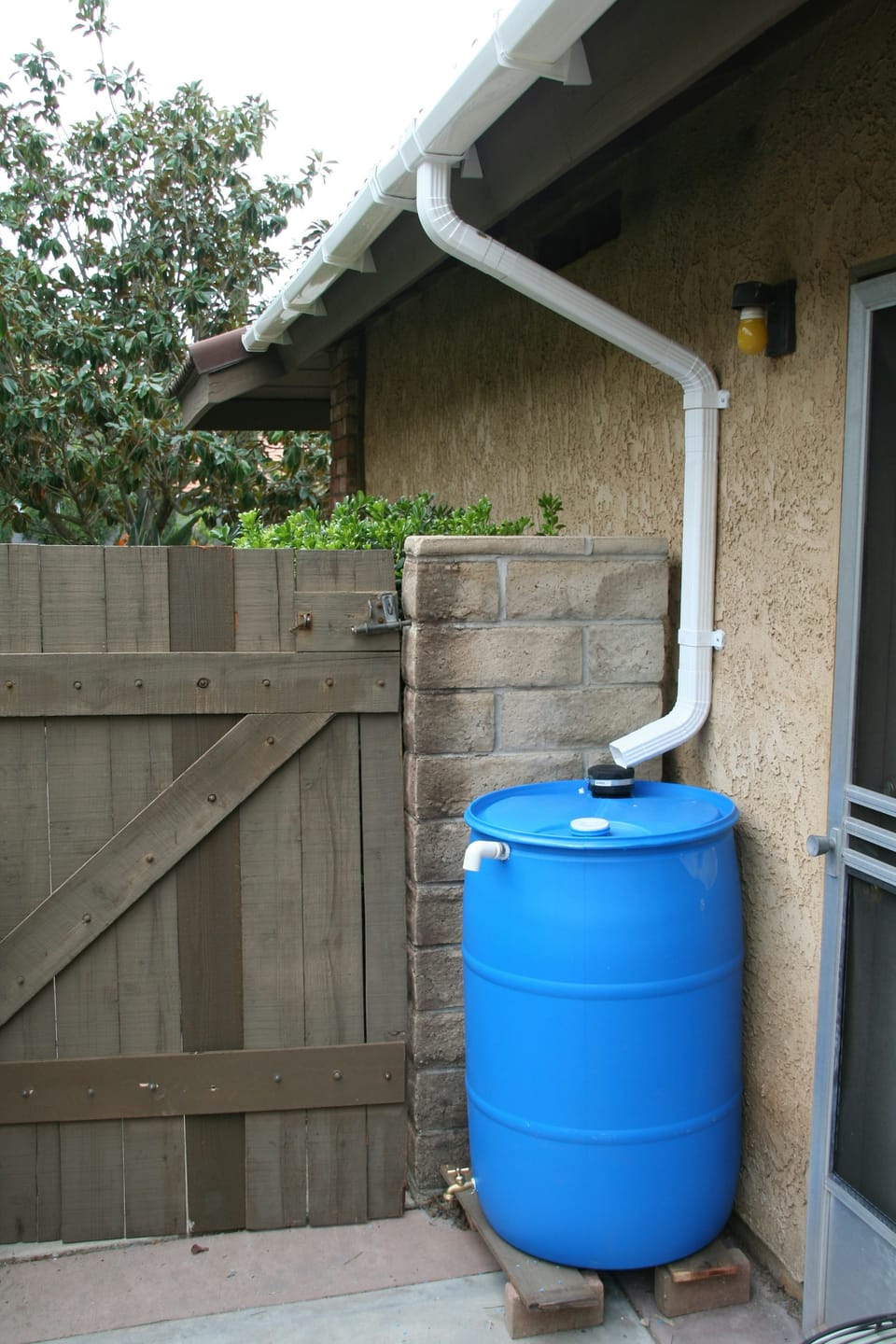 Rain and storageAre rain barrels legal in California? Yes. Here is when you need a permitYes. State law says you do not need a water right to use rainwater from your roof. Under the state plumbing code, a barrel or tank up to 5,000 gallons for drip or hose watering needs no permit if it sits on the ground, is no taller than twice its width, has no pump and is not hooked to tap water.Updated Nov 4, 2026
 Rain and storageHow much rain Sonoma County gets, town by town and month by monthSanta Rosa gets about 30 to 34 inches in an average year, depending on the gauge and the years counted. Petaluma gets about 26 and Healdsburg about 43. Most of it falls from November to March.Updated Oct 18, 2026